
Pet Custody after Separation or Divorce
Therapy for pet parents navigating shared care or loss of contact with an animal after a relationship ends.
Offering in-person counselling in West Vancouver and online across British Columbia.
When a relationship ends, your relationship with your animal may change too.
You may go from seeing them every day to sharing time between two homes, having less say in their care, or no longer seeing them at all.
Sharing care brings its own complications. Staying connected to your animal may mean staying connected to your ex through hand-offs, veterinary care and decisions that still need to be made together. A text about the dog can turn into an argument about something else, and old relationship dynamics don't necessarily disappear because the relationship has ended.
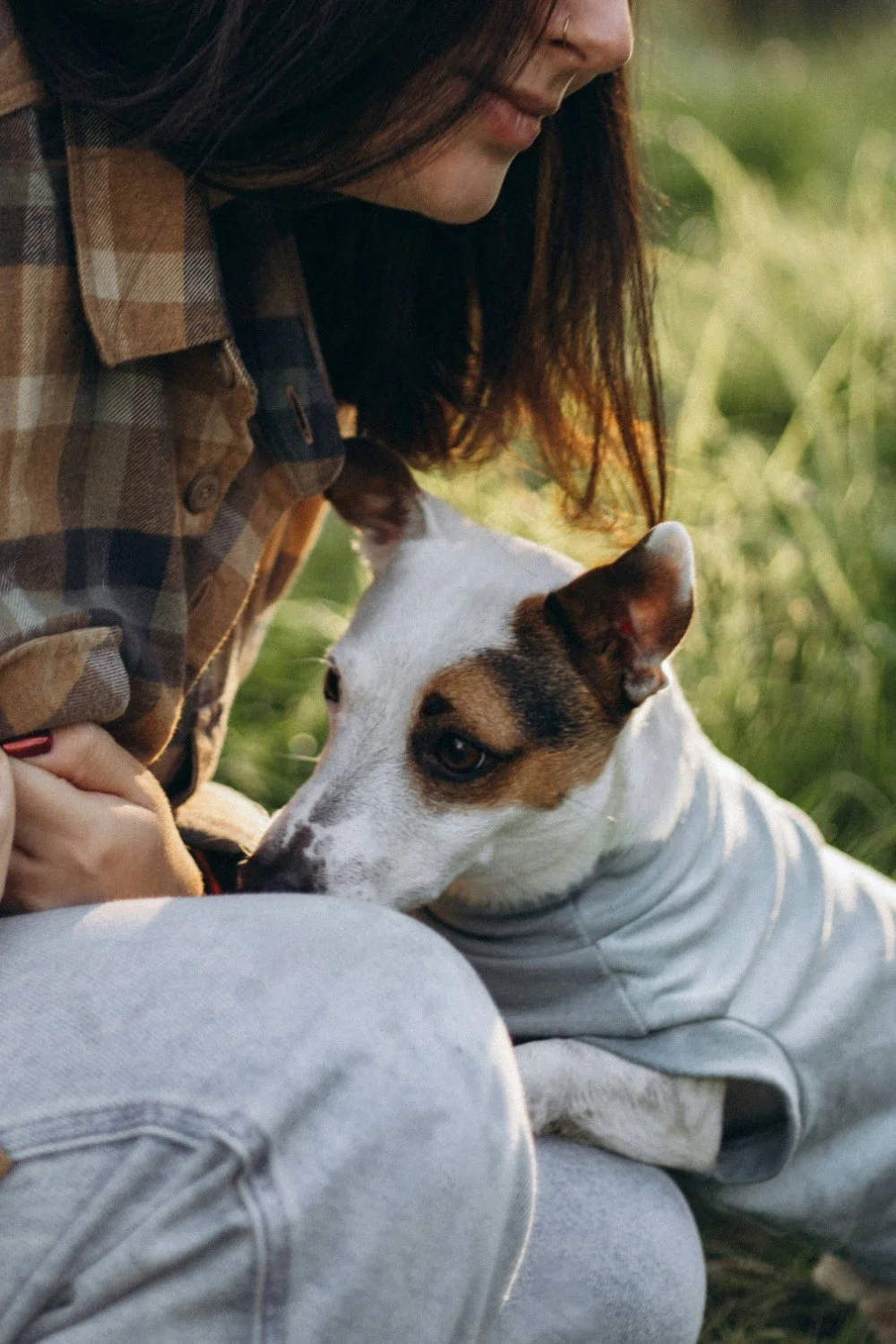
Having less say in your animal's everyday life can also bring its own worry, particularly when you don't trust that you and your former partner will make the same choices about their care. In more difficult relationships, access to an animal can become another source of conflict or control.
There may also be times when illness, a medical emergency, or the loss of your animal brings you into much closer contact. Caring about the same animal can mean sharing deeply personal or painful moments with someone you would no longer choose to have beside you during those moments.

How Therapy Can Help
Pet custody can be uniquely difficult because your relationship with your animal may become intertwined with the emotional aftermath of a relationship that has ended. Therapy can offer support for your experience alongside any legal process or ongoing arrangements with your former partner.
Our work can focus on how this is affecting you, including the grief or uncertainty you may be living with, difficult interactions with a former partner, and the emotions that can come with having less control over your relationship with your animal.