Behavioural Euthanasia
Therapy for pet parents navigating Behavioural Euthanasia.
Offering in-person counselling in Vancouver and virtual counselling across British Columbia.
By the time behavioural euthanasia enters the conversation, there have likely been months or years of trying to find another way forward.
Trainers, behaviourists, veterinarians, medication, changes to your home and routines, carefully managed walks or no walks at all. Each new approach brings hope that this might finally be the thing that helps.
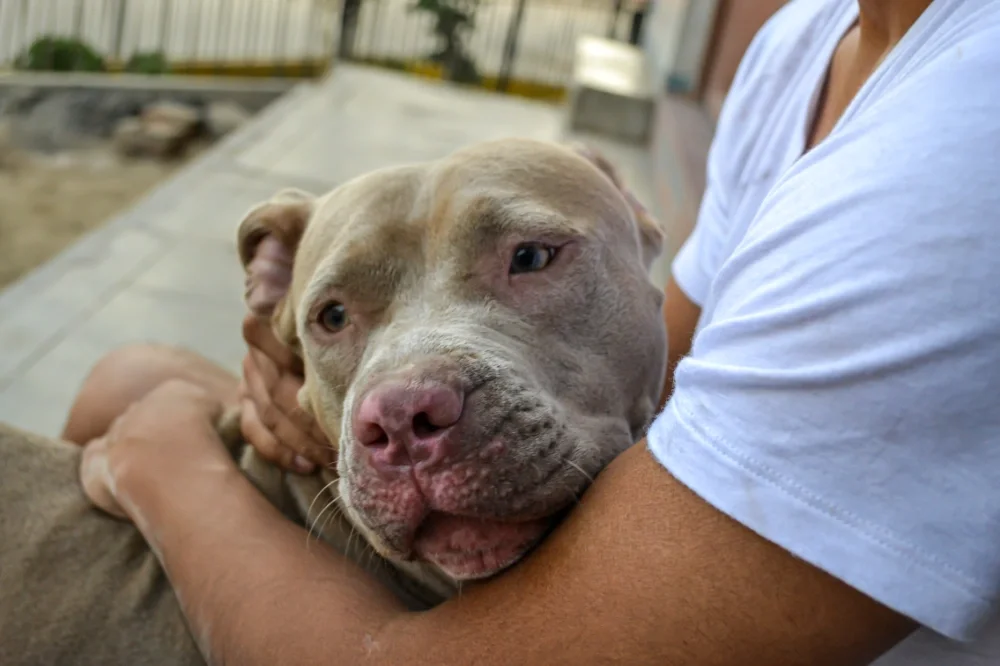
In the meantime, life has become increasingly organized around preventing something from happening. Who can come into the house. Where and when you walk. Whether your animal can be around children, other animals, or strangers. What happens if a gate is left open or someone comes unexpectedly to the door. There may have already been incidents you can't stop thinking about, alongside the constant awareness of what could happen next.
And through all of this, the behaviour is only one part of your relationship with your animal. The fear and risk can exist alongside affection, attachment, and the many ordinary parts of life you still share. This can be particularly difficult when others see the behaviour as the whole story.
For some pet parents, there eventually comes a point when the options have run out. Not because you haven't tried, but because training, treatment, medication, management, rehoming, or further restrictions no longer offer a realistic or safe way forward. You may be left having to make a decision that conflicts with everything you want for an animal you feel responsible for protecting.
For others, the decision may no longer be theirs to make. After a serious incident, your dog may be seized by animal control while an investigation or legal proceeding determines what happens next. You may be separated from them for weeks or months, with limited or no contact, living with the uncertainty of whether they will ever come home. If euthanasia is ultimately ordered, you may have little control over when, where, or how you are able to say goodbye.
And then there are other people. Someone may ask why you didn't try another trainer. Why you couldn't rehome them. Why you waited as long as you did. Or they may have known a completely different version of your animal and simply cannot reconcile the animal they knew with what happened.

How Therapy Can Help
Therapy offers a place where the complexity of your experience does not need to be simplified or defended.
Whether you are still living with uncertainty, navigating the decision itself, or trying to make sense of life after your animal's death, we can work through it together.
Our work together may include:
Processing grief, guilt, shame, anger, and relief as they coexist
Working through persistent self-blame and second-guessing
Processing traumatic incidents, including bites or attacks
Exploring the emotional impact of chronic vigilance and living with ongoing risk
Navigating conflict or misunderstanding with family members or others
Coping with the loss of choice when behavioural euthanasia is mandated
Honouring your relationship with your animal in a way that reflects the whole of their life
Whether you're facing behavioural euthanasia or living with the loss that followed, you don't have to navigate it alone. I invite you to book a complimentary consultation.
Frequently Asked Questions
-
Reaching the point where behavioural euthanasia feels like the only option can bring exhaustion, fear, guilt, and an enormous sense of responsibility. You may be trying to weigh your animal's needs against the safety of other people or animals, while knowing that none of the available choices is the outcome you wanted.
Therapy cannot make the decision for you or replace the guidance of your veterinary and behaviour professionals. It can give you somewhere to think through what you are facing when the weight of the decision feels overwhelming.
-
Guilt after behavioural euthanasia can centre on almost every part of the experience: what you tried, what you didn't try, incidents you wish you could change, and ultimately the decision itself. Even after exhausting the options available to you, there may still be a lingering sense that you should somehow have been able to find another way.
Working through guilt does not require pretending you had no responsibility or convincing yourself that everything happened exactly as it should have. It can mean looking at what happened in the context of what you knew, what was available to you, and what you were trying to manage at the time.
-
Living with serious behavioural concerns can involve prolonged vigilance, restrictions on everyday life, and the ongoing fear that something might happen despite everything you are doing to prevent it.
When that ends, relief can exist alongside grief. The relief may be for the end of a situation that had become untenable, while the grief remains for the animal you loved and the relationship you have lost.